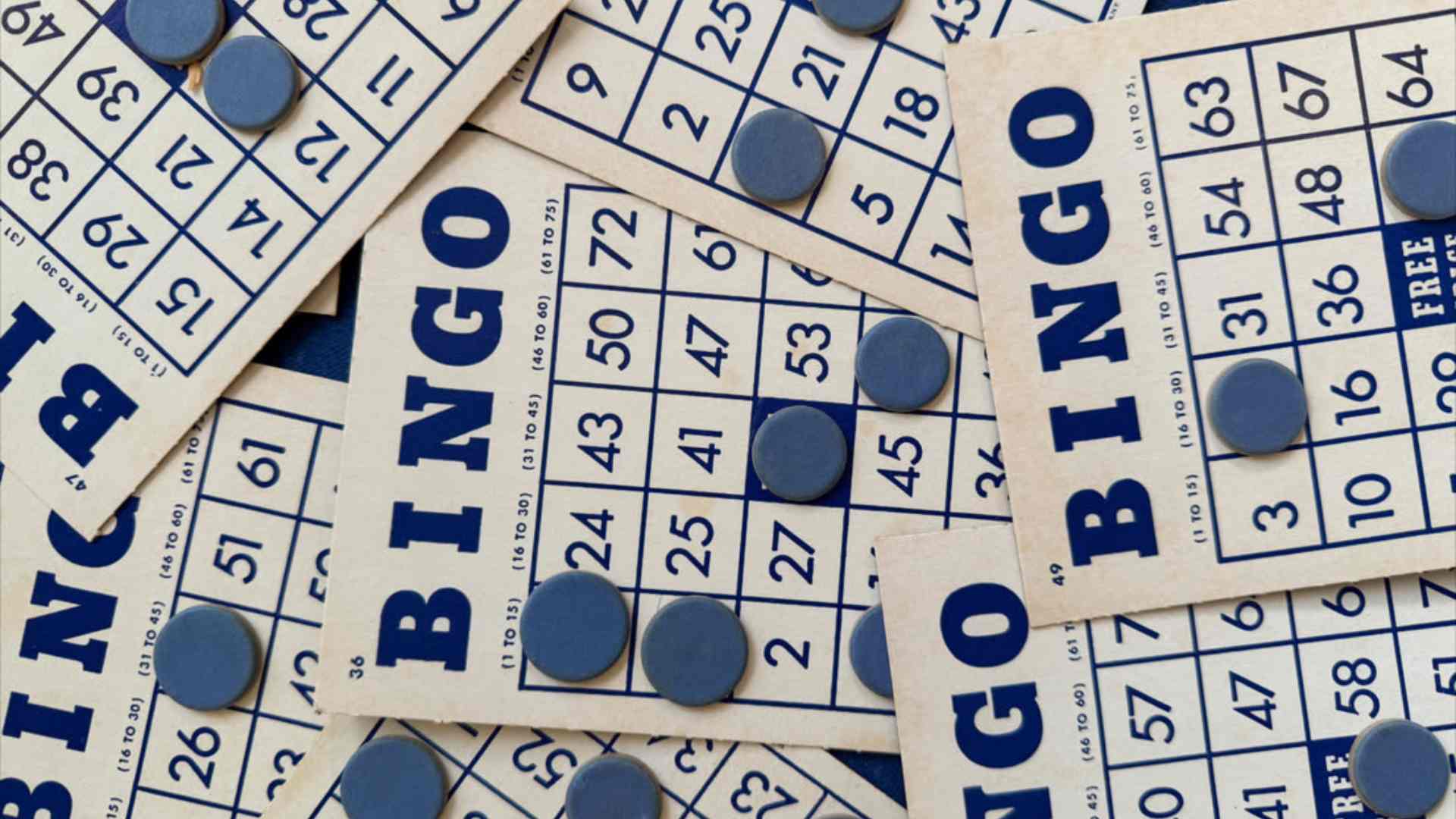
Transitioning from friendly kitchen table matches to the structured environment of a professional card tournament requires a complete shift in both strategy and mental preparation. While casual games allow for relaxed decision-making and occasional takebacks, formal competitions demand absolute precision and tactical discipline from the very first deal. Understanding how to navigate these high-stakes events is essential for any player looking to climb the leaderboards and claim victory.
Mastering the Art of Table Observation
In a competitive tournament, the cards in your own hand only represent half of the puzzle. Elite players dedicate significant mental energy to monitoring the discards and picking habits of everyone sitting at the table. This constant vigilance allows you to deduce which combinations your opponents are building and prevents you from accidentally throwing away a card they desperately need.
Furthermore, observing physical tells and behavioral pacing can provide subtle clues about the strength of an opponent's hand. Consistent observation helps you anticipate strategic shifts before they fully unfold on the table. Over time, training your mind to process these external factors will naturally elevate your overall win rate.
Implementing Strict Risk Management
One of the most common mistakes novice tournament players make is playing too many weak hands out of pure hope. Successful competitors understand that preserving their chip stack or point standing is often more valuable than chasing a risky, low-probability victory. Learning when to fold early or take a calculated penalty drop is a hallmark of professional-grade card play.
By managing your risks carefully, you ensure that a single bad round does not eliminate you from the entire tournament. This disciplined approach keeps you competitive across multiple rounds, even when the cards are not falling in your favor. Knowing how to access trusted platforms like the login situs m88 portal can also help you practice these structured risk-management tactics in various digital formats.
Developing Psychological Resilience Under Pressure
The intense pressure of a tournament clock can easily cloud your judgment and lead to costly mechanical errors. Maintaining emotional control, especially after suffering a devastating loss or a bad beat, is what separates champions from average participants. Developing a simple pre-move routine can help keep your breathing steady and your mind focused during critical match moments.
When anxiety starts to build, remind yourself to stick to the mathematical probabilities and proven strategies you practiced beforehand. Treating every match as a learning experience rather than a high-stress test will reduce performance anxiety. Keeping a calm demeanor also projects confidence, which can actively influence how your opponents approach playing against you.
Structuring Your Practice Routine
Raw talent can only carry a card player so far without the backing of a structured preparation routine. Dedicating time to analyzing past matches and studying advanced game theory is crucial for long-term growth. Regularly testing your skills against diverse playing styles prepares you for the unpredictable strategies you will face on the tournament floor.
Make sure to balance active playing sessions with quiet periods of tactical study and physical rest. Entering a major tournament fully rested ensures your cognitive processing speeds and memory retention remain at peak levels throughout long sessions. This comprehensive approach to preparation establishes a winning foundation that will serve you well in any competitive arena.