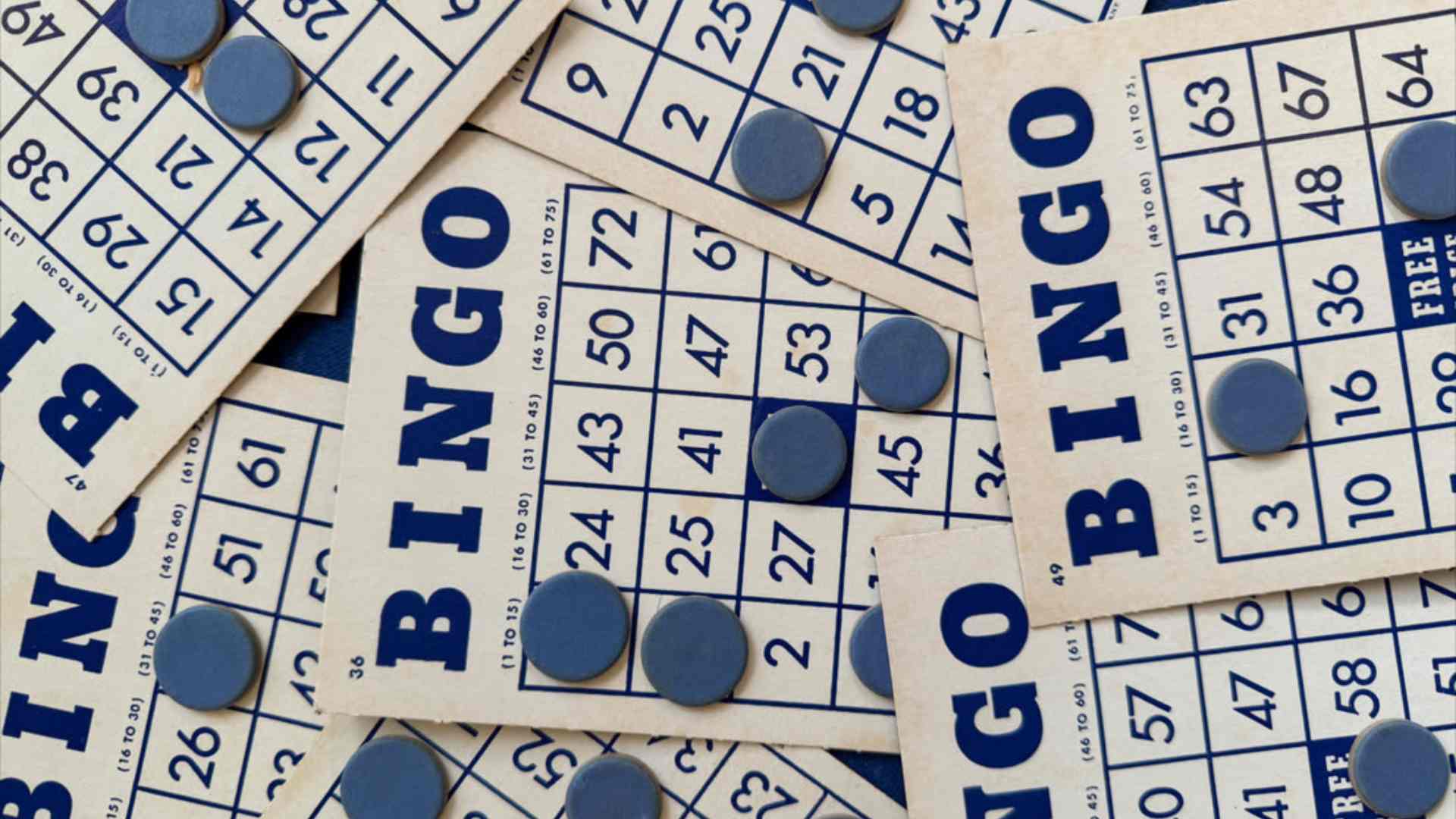
Bingo is traditionally celebrated as a classic game of chance, yet players can heavily influence their overall experience by shifting from random luck to calculated strategy. Making mindful choices regarding card selection, crowd dynamics, and session length can significantly optimize your mathematical advantages during a live session. By learning to approach the gaming grid with tactical intent, enthusiasts can elevate their entertainment and secure much more consistent results.
Analyzing the Playing Environment
One of the most impactful decisions a player can make involves evaluating the size and scale of the room before purchasing tickets. Entering a session with fewer active competitors directly increases your statistical likelihood of winning the prize pool on any given call. Experienced individuals often seek out quieter schedules to ensure their cards face less mathematical friction from competing grids.
For those looking to transition from physical halls to digital platforms, choosing a trusted, high-performance interface is vital. You can find detailed breakdowns and secure options by visiting the login situs m88 platform to refine your strategic layout. This foundational step guarantees that your technical environment supports rapid gameplay without unnecessary disruptions.
Managing Cards with Tactical Precision
Handling multiple cards simultaneously is an excellent way to boost your odds, but it requires absolute focus and mental clarity. Overextending your capacity can lead to visual fatigue, causing you to overlook crucial numbers as they are called out by the host. True professionals recommend starting with a small, manageable count and slowly increasing their workload as pattern recognition improves.
Developing an optimized scanning method allows top players to view their full matrix in fractions of a second. This deliberate training prevents costly visual oversights where winning combinations go unnoticed during high-speed rounds. Keeping a disciplined balance between card volume and tracking ability remains a cornerstone of consistent long-term success.
Applying Mathematical Probability Theories
Many analytical players use specific numerical frameworks like the Granville or Tippett systems to choose their game cards. These statistical models suggest that a uniform distribution of odd, even, high, and low numbers yields superior probability outcomes over extended sessions. Selecting grids that exhibit a diverse spread of digits adds a layer of logic to an otherwise random process.
While no mathematical formula can guarantee an absolute victory every single round, utilizing these theories minimizes emotional bias. It shifts the player's mindset away from superstitious guessing toward structured decision-making. Over multiple gaming sessions, this level of discipline provides a visible edge over entirely random selection.
Maintaining Bankroll and Mental Discipline
Longevity and enjoyment in casual gaming depend heavily on emotional regulation and strict financial boundary setting. Successful enthusiasts establish concrete budgets before entering a session and firmly resist the urge to chase losses. This calm demeanor keeps the mind sharp, allowing for logical choices when selecting cards or stepping away from the table.
Cognitive fatigue is another critical element that strategic players constantly monitor during extended game nights. Recognizing the moment your concentration begins to fade helps preserve your resources and ensures you only play at your peak. True mastery lies in balancing the thrill of the numbers with absolute self-control and smart decision-making.