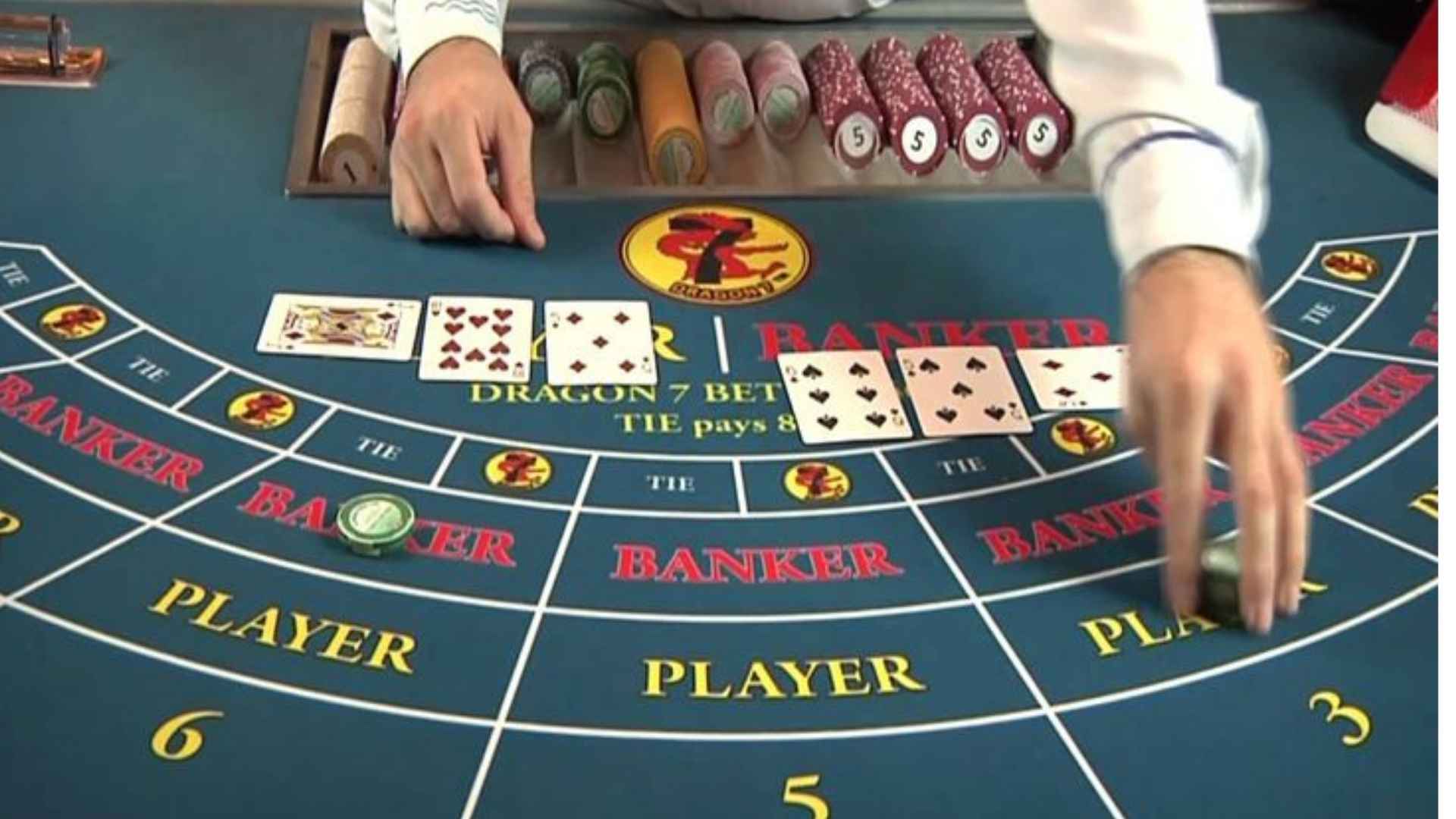
Baccarat has long been celebrated for its elegant simplicity, yet beneath the surface lies a complex world of player behaviors and strategic choices. While the game relies entirely on fixed rules once the cards are dealt, the way enthusiasts allocate their chips varies dramatically based on regional formats and table setups. Examining these diverse betting patterns offers valuable insights into how different rules shape the decision-making process of global participants.
The Predictable Flow of Modern Casino Tables
In standard formats like Punto Banco, the house manages all banking responsibilities, creating a highly structured environment where player intervention is restricted to the initial wager. Because card distributions follow a strict, automated system, participants typically focus their attention on tracking historical outcomes through detailed scoreboards. This tracking gives rise to distinct cyclical betting patterns, where groups of players collectively swing their capital back and forth between the banker and player options.
Since the banker bet maintains a slightly lower house edge, statistical data reveals that long-term participants consistently favor this option to optimize their overall returns. Casual enthusiasts often experiment with progressive wagering systems on these tables, raising their stakes incrementally following a loss in an attempt to recover past capital. Reliable digital gaming hubs like m88 cá cược trực tuyến regularly host these high-speed standard variations, drawing massive crowds who appreciate the fluid predictability of automated card resolutions.
Psychological Shifts in Active Banking Formats
Traditional European variants such as Chemin de Fer introduce an entirely different psychological dynamic by allowing participants to take turns financing the table bank roll. When an individual assumes the role of the banker, they are directly risking their own capital against the collective wagers of the remaining players at the felt. This shift from a passive spectator to an active stakeholder fundamentally alters the financial risks and betting patterns observed throughout the session.
Opposing participants frequently adjust their wager sizes based on the perceived confidence or financial strength of the current individual holding the bank. The introduction of optional third-card drawing rules also invites elements of bluffing and tactical misdirection that are completely absent from standard casino formats. Consequently, wagering patterns on these interactive tables tend to be highly erratic and deeply influenced by interpersonal table dynamics.
High Speed Environments and Scaled Limits
Mini Baccarat scales down the physical dimensions of the table and lowers the traditional financial entry barriers to attract a broader audience. By eliminating elaborate card-handling rituals, the dealer can complete a significantly higher volume of rounds within a relatively short timeframe. This rapid pace encourages a high-frequency betting style where participants quickly distribute smaller stakes across multiple consecutive hands.
The combination of lower table limits and accelerated gameplay reduces the hesitation typically seen among risk-averse newcomers. Players in this environment are much more likely to diversify their wagers or test speculative side options that promise larger payout multipliers. Ultimately, the fast operational model transforms the strategic pacing, shifting the focus from deliberate pattern tracking to continuous action.