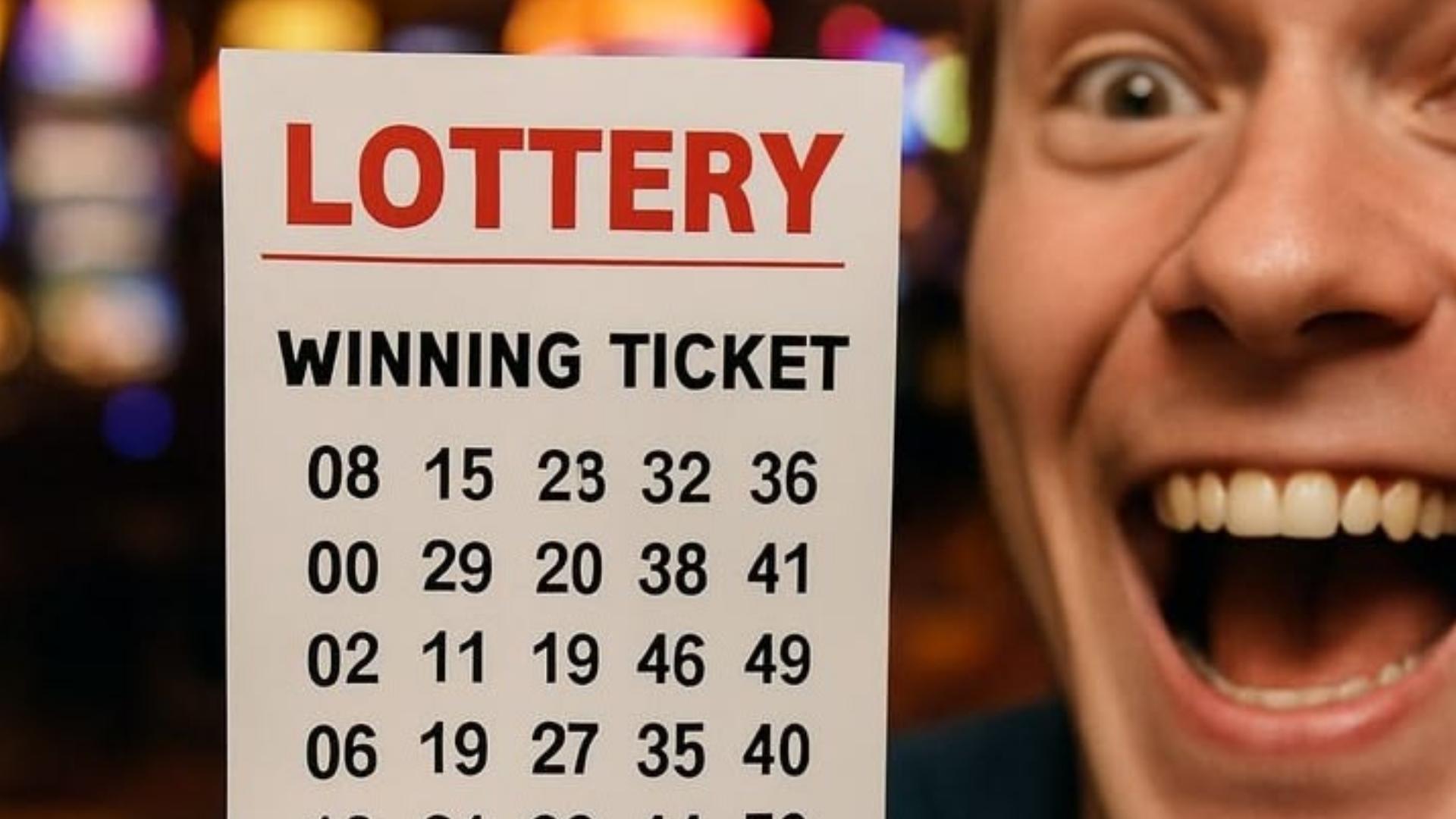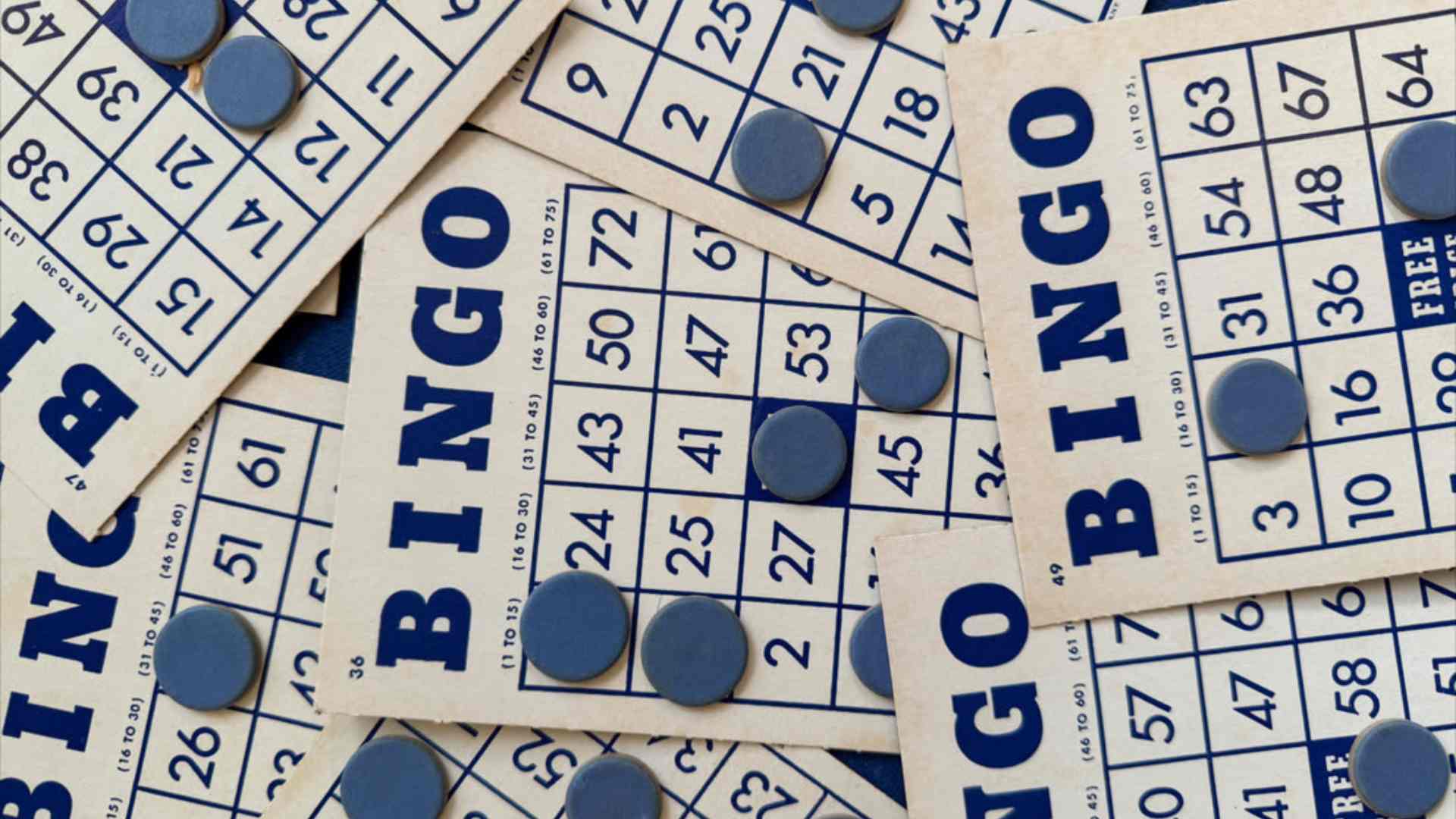
Engaging in mental exercises is a highly effective strategy to keep the mind sharp, adaptable, and healthy as we age. Traditional puzzles like crosswords are excellent, but interactive challenges grounded in mathematical uncertainty provide a completely different level of cognitive stimulation. By analyzing random scenarios and estimating mathematical risk, you actively train your brain to adapt to unexpected situations in daily life.
The Cognitive Science of Random Outcomes
When you play games that rely on mathematical chance, your brain is forced to process complex fluid variables rather than static patterns. This active calculation stimulates the prefrontal cortex, which is the primary region responsible for advanced decision-making and logical analysis. Regularly evaluating unpredictable scenarios builds new neural pathways and strengthens your overall cognitive resilience.
Furthermore, managing the balance between risk and reward prevents mental stagnation by forcing continuous adaptation. Unlike deterministic puzzles with a single solution, probabilistic challenges offer shifting parameters that require constant vigilance. This ongoing mental adjustment helps maintain long-term mental sharpness and improves daily reasoning skills.
Enhancing Practical Risk Assessment
Probability games serve as dynamic simulations for real-world risk management and analytical planning. Players must constantly evaluate the likelihood of specific outcomes, calculating whether a particular move is mathematically advantageous. This constant practice refines your ability to identify hidden patterns within apparently chaotic information structures.
Developing an intuitive understanding of odds also reduces the anxiety associated with making choices under ambiguous conditions. Many individuals utilize reliable digital environments to explore statistical distributions and observe random number generation safely. For instance, visiting a reputable portal like the login situs m88 allows enthusiasts to study how digital randomized systems operate in real time. This practical observation transforms casual entertainment into an educational exercise in logical deduction.
Strengthening Memory and Focus Through Play
Sustaining focus in a fast-paced environment can be challenging due to constant digital distractions. Probability challenges require players to remember past occurrences and calculate their impact on future possibilities. This active retention of statistical data significantly boosts working memory capacity over time.
Additionally, tracking independent and dependent events prevents cognitive fatigue by keeping the mind fully engaged. When you calculate the changing odds of a deck of cards or a roll of the dice, your attention remains focused on numerical variables. This disciplined focus translates directly into improved professional productivity and clearer everyday logical thinking.
Building Long-Term Mental Agility
Embracing the unpredictability of mathematical games encourages a growth mindset and strategic flexibility. Players quickly learn that failure is simply a statistical variation rather than a permanent analytical error. This balanced perspective helps individuals navigate personal and professional uncertainties with greater emotional resilience.
Ultimately, incorporating these randomized challenges into your weekly routine provides a comprehensive workout for your intellect. By challenging your mind to look past pure luck, you cultivate a highly sophisticated approach to understanding the world. With consistent practice, exploring the laws of chance becomes a deeply rewarding journey toward optimal brain health.