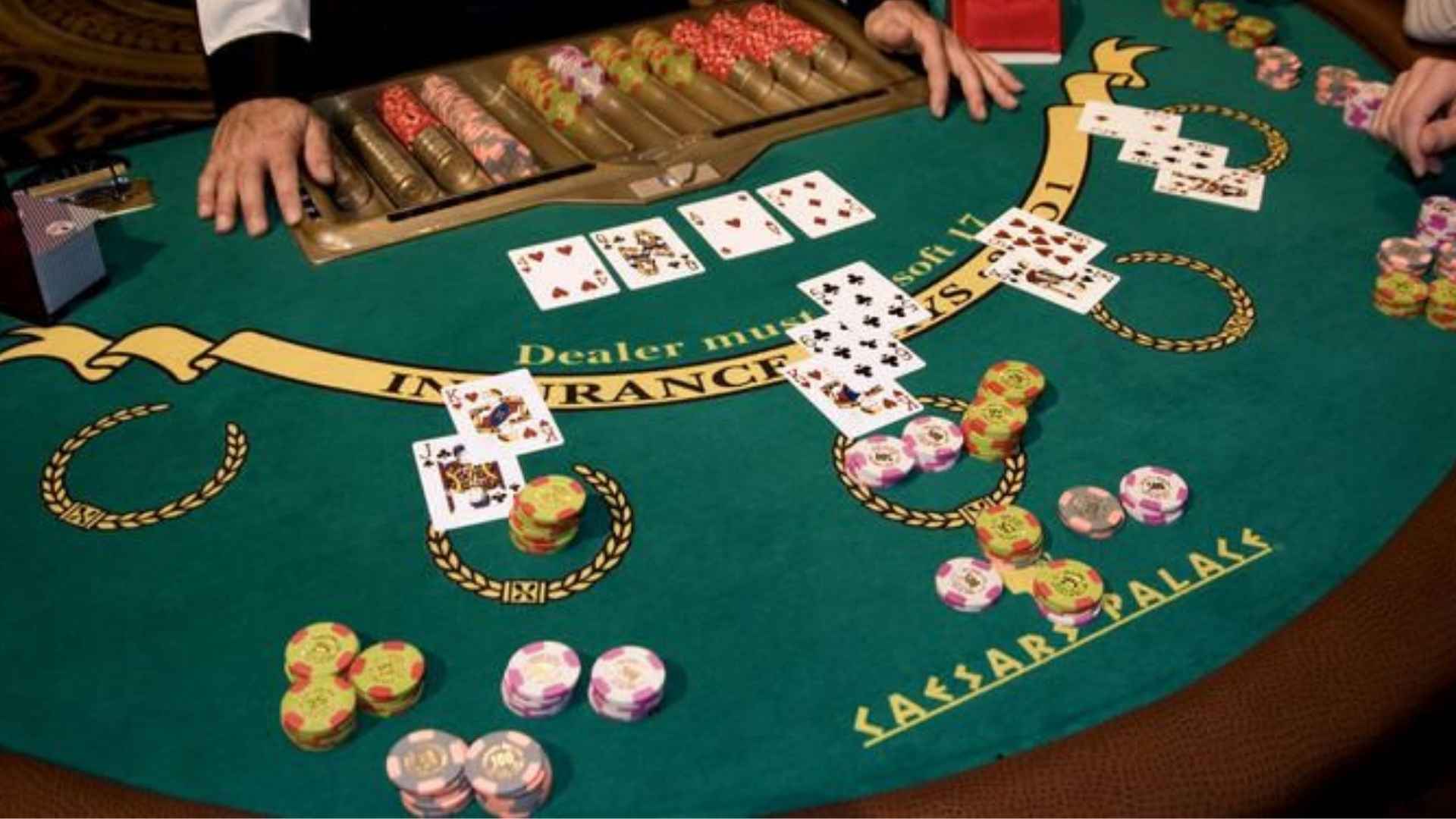
In high-stakes poker, holding a deep stack completely transforms how players approach risk, strategy, and mental composure. Operating with hundreds of big blinds alters emotional dynamics, providing a psychological safety net that allows for greater strategic freedom. Understanding the psychology behind deep stack confidence reveals how financial leverage enhances decision quality and strategic control at the table.
The Cushion of Financial Leverage
Deep stacks provide a substantial buffer against short-term variance, allowing players to absorb unexpected losses without facing immediate elimination. This safety margin reduces performance anxiety, enabling individuals to focus entirely on optimal strategy rather than self-preservation. When the fear of going broke is removed, players make decisions grounded in pure logic rather than risk aversion.
This mental shift fosters a dominant table presence that frequently pressures opponents with shorter stacks. Confident players capitalize on their chip advantage by executing complex multi-street bluffs and forcing difficult decisions. Over time, this constant pressure erodes opponent confidence and forces costly tactical mistakes.
Navigating Complex Decision Trees
Deep stack play inherently increases the complexity of post-flop decision-making due to high stack-to-pot ratios. Players must plan several moves ahead, carefully evaluating implied odds and potential reverse implied odds. This deeper strategic layer requires intense cognitive focus and absolute trust in one's analytical capabilities.
Maintaining composure during intricate hands allows experienced strategists to extract maximum value from marginal situations. Many enthusiasts study these deep-stack dynamics on digital platforms like m88 cá cược trực tuyến to refine their tactical skills and build mental resilience. Mastering these complex scenarios reinforces self-assurance, making subsequent high-pressure decisions feel far more routine.
Managing Ego and Preventing Overconfidence
While a large chip stack enhances tactical flexibility, it can also lead to reckless overconfidence if emotional discipline wanes. Players who feel invulnerable may start entering too many hands or making overly aggressive plays without proper equity. True deep stack confidence relies on controlled aggression rather than reckless bravado.
Elite competitors recognize the thin line between calculated leverage and dangerous overextension. They maintain strict hand selection standards and remain willing to fold strong hands when the board texture turns unfavorable. Balancing confidence with humility ensures that chip leaders preserve their advantage over extended sessions.
Long-Term Perspective and Variance Tolerance
Confidence in deep stack scenarios stems from a strong commitment to long-term expected value over immediate outcomes. Experienced players understand that even mathematically superior plays can occasionally result in significant short-term chip losses. A deep stack allows them to endure these temporary swings without altering their core strategic approach.
By viewing each hand as part of a broader continuous session, players eliminate the emotional distress associated with individual bad beats. This stable perspective reinforces long-term discipline, preventing tilt and maintaining consistent decision quality. Ultimately, deep stack confidence is the product of emotional control, strategic mastery, and a thorough understanding of probability.