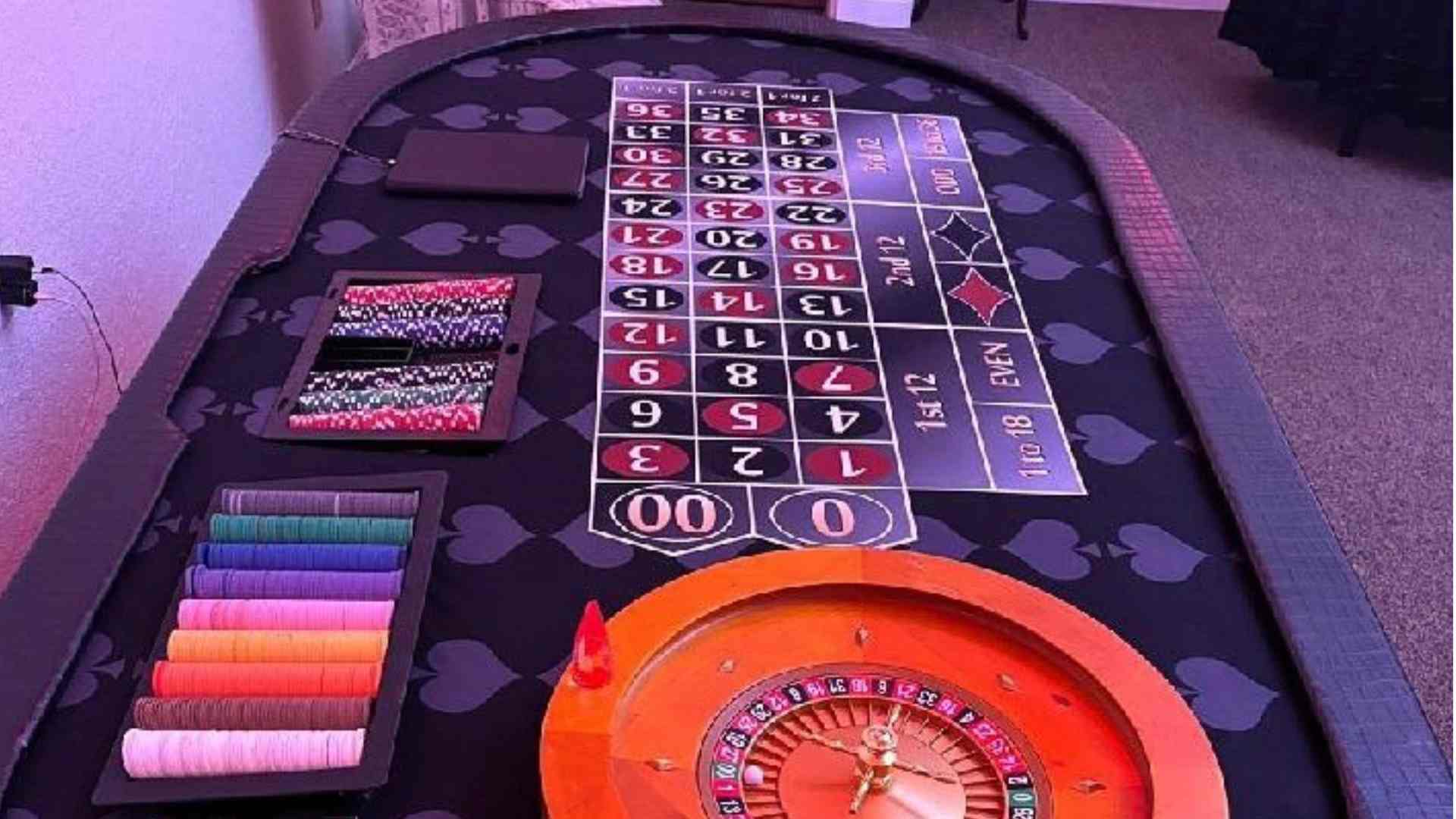
Stepping up to a baccarat table can feel intimidating when you are confronted with electronic displays, digital roadmaps, and detailed layout markings. Learning how to process this visual information quickly allows you to follow the action with total clarity and confidence. Once you know where to look, the table layout transforms from a complex grid into a clear layout of game stats.
Locating the Primary Betting Areas
Every standard table clearly outlines three main wagering boxes for the Player, Banker, and Tie outcomes. These betting positions are clearly marked across the felt surface so every participant knows exactly where to place their chips before a round begins. Side bet options like Pairs are typically positioned adjacent to the main betting zones for easy access.
Understanding the distinction between these areas helps you avoid misplaced wagers during fast-paced dealing sequences. Modern digital layouts, like those found on m88 cá cược trực tuyến, replicate these traditional table markings to ensure a seamless transition between physical and virtual tables. Clear spatial awareness ensures you stay focused on your session rather than rushing your bets.
Understanding Table Limits and Payout Rules
Before placing any chips, always look for the table display sign indicating minimum and maximum betting thresholds. This board also displays the standard payout ratios, such as 1 to 1 for Player hands or 8 to 1 for Tie results. Reviewing these rules prevents unexpected surprises regarding minimum chip values or house commission structures.
Checking the limits helps players choose a table that aligns comfortably with their predetermined playing budget. It also ensures that you remain aware of maximum payout boundaries on secondary side wagers. Taking a few seconds to review these rules sets a solid foundation for disciplined play.
Deciphering Baccarat Scoreboards and Roadmaps
Electronic display screens positioned near the table track historical results from the current card shoe using visual grids. The Bead Plate and Big Road record raw winning outcomes, using distinct colored circles to denote Banker, Player, or Tie victories. Derived roads offer deeper patterns, though beginners should focus on the primary result charts first.
While historical roadmaps show past outcomes, remember that each deal remains an independent event driven by random card draws. Reading these boards is simply a tool for staying engaged with the flow of the game rather than predicting guaranteed future trends. Tracking the shoe count provides useful context on how many cards remain before a reshuffle.
Tracking Dealer Actions and Commission Markers
In traditional commission games, the dealer keeps track of unpaid house fees on winning Banker bets using small numbered markers. Keeping an eye on these commission boxes helps you know exactly what is owed before leaving the table or changing shoes. Non-commission variants handle these adjustments directly within specific winning card totals instead.
Observing how the dealer manages chip stacks and shoe transitions builds a better overall understanding of table etiquette. This awareness allows you to make calm, timely decisions without disrupting the dealer's routine. Clear table comprehension ultimately creates a far more relaxed and enjoyable gaming experience.